
A 3-DAY MEDITERRANEAN ESCAPE
Amalfi Coastline
Discover colourful coastal villages, Mediterranean views and the flavours of southern Italy.
- 3 Days
- Campania, Italy
- Euro (EUR)
- Italian
Campania, Italy
The Siren Call of Amalfi
Stretching along the southern edge of Italy’s Sorrentine Peninsula, the Amalfi Coast is a legendary landscape of towering cliffs, pastel-hued villages clinging to precipitous rocks, and lush terraced gardens. Designated as a UNESCO World Heritage site, this breathtaking stretch of the Campania region merges wild Mediterranean beauty with an unparalleled cultural history, drawing artists, culinary explorers, and dreamers for centuries.
Coastal Flavors & Sweet Legacies

A golden, shell-shaped masterpiece: the classic Neapolitan sfogliatella, boasting hundreds of tissue-thin layers filled with sweet ricotta and candied orange peel.
AMALFI COAST ITINERARY
Day 1 — The Vertical City
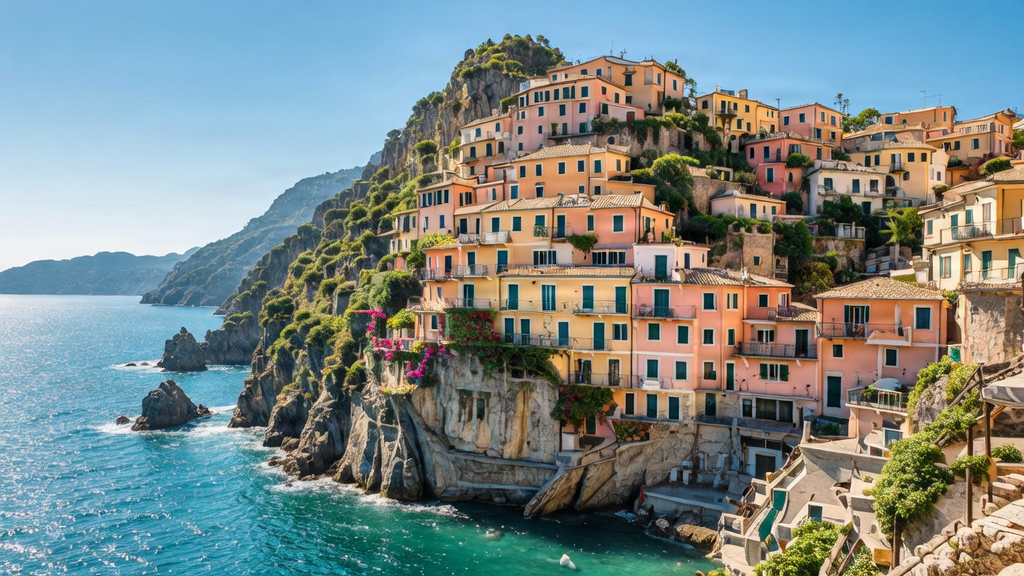
Welcome to Positano, the dazzling vertical jewel of the Amalfi Coast. Cascading dramatically down a sheer cliff face directly into the shimmering Tyrrhenian Sea, this legendary destination challenges and rewards in equal measure. Spend your first morning exploring the historic, sun-drenched streets lined with climbing purple bougainvillea, high-end linen boutiques, and classic ceramic workshops, before slowly winding your way down toward the lively harborfront.
At the coast’s edge lies Spiaggia Grande, a dark-pebble volcanic beach framed by Positano’s iconic pastel houses. The beachfront is divided cleanly into public spaces, where you can freely spread your towel, and private beach clubs (stabilimenti) offering luxury sun loungers, blue-and-white umbrellas, and seaside cocktail service. Navigating this vertical landscape requires stamina: you will encounter endless flights of steep stone stairs and winding ascents. Embrace the physical pace—it is the true, historic pulse of Positano.
At the coast’s edge lies Spiaggia Grande, a dark-pebble volcanic beach framed by Positano’s iconic pastel houses. The beachfront is divided cleanly into public spaces, where you can freely spread your towel, and private beach clubs (stabilimenti) offering luxury sun loungers, blue-and-white umbrellas, and seaside cocktail service. Navigating this vertical landscape requires stamina: you will encounter endless flights of steep stone stairs and winding ascents. Embrace the physical pace—it is the true, historic pulse of Positano.
Essential Day 1 Travel Tips
- Footwear is Everything: Pack highly supportive walking shoes. Positano's steep cobblestone steps can easily lead to slips.
- Pre-Book Spiaggia Grande: If you wish to lounge in the private sections, reserve your spot weeks in advance during mid-summer.
- Porter Services: Do not attempt to haul heavy luggage up the village cliffs. Hire a port baggage carrier at the pier or bus stop.
- Ferry Arrivals: Arriving by ferry offers the most spectacular first-view of the vertical town rising directly from the sea.
DAY 2 — AMALFI & ATRANI
Maritime History & Hidden Gems
Step back in time to discover the legendary maritime power of Amalfi, then trace a quiet pedestrian path to Italy’s smallest and most enchanting hidden municipality.
Cathedral of Saint Andrew (Duomo)
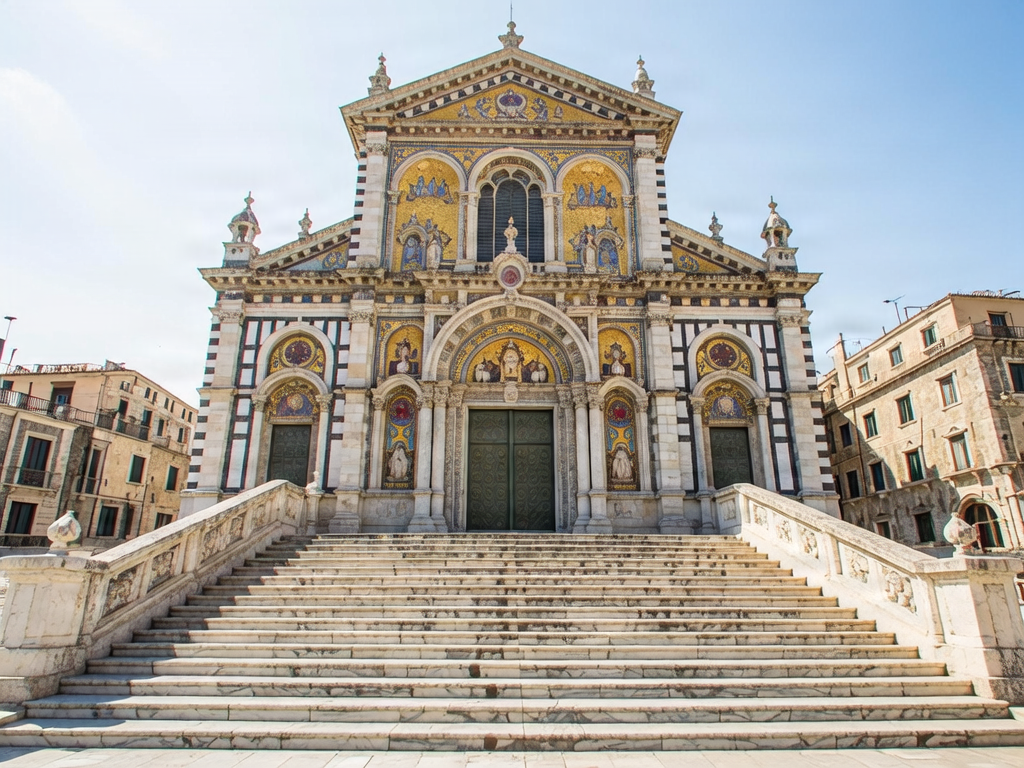
Begin your morning at the grand Piazza del Duomo, climbing the monumental stairs to the Cathedral of Saint Andrew. Marvel at the dramatic Arab-Norman facade before heading inside to explore. Please Note: Entry to the stunning Cloister of Paradise (Chiostro del Paradiso) and its adjoining museum requires a separate ticket (approx. €3). It is highly recommended to purchase this to see the breathtaking Moorish arches and tranquil gardens.
The Coastal Walk to Atrani
After visiting the Duomo, embark on an easy, scenic 15-minute walk to Atrani. You can follow the pedestrian route through the convenient ‘Luna Rossa’ tunnel or take the upper panoramic road. Atrani greets you with a labyrinth of whitewashed alleys, peaceful local squares, and a beautiful sandy beach far removed from the typical tourist crowds.
- Cloister of Paradise: ~€3 entry ticket required
- Walk Duration: ~15 mins from Amalfi to Atrani
- Attire: Comfortable walking shoes suggested for steps
AMALFI COAST EXPLORATION
Day 3 — The City of Music
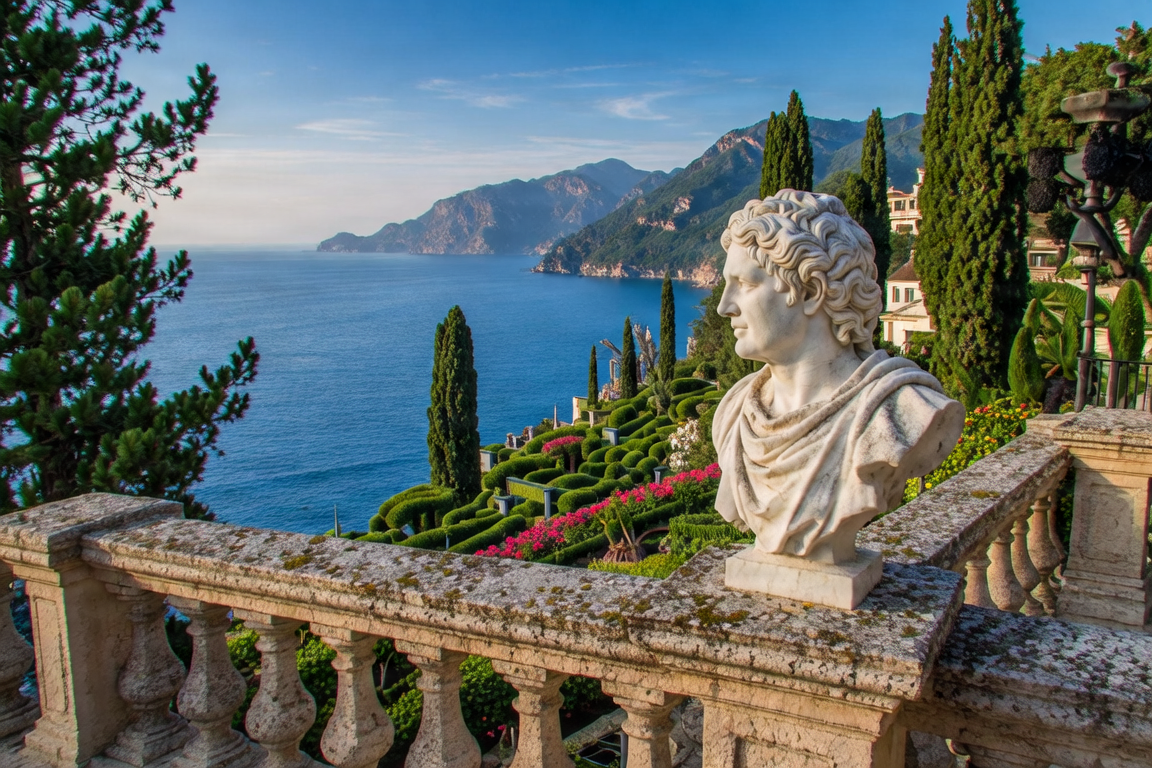
Perched high above the azure Tyrrhenian Sea, Ravello is the Amalfi Coast’s peaceful sanctuary of art and elegant architecture. Unlike the bustling seaside towns below, this historic mountaintop village offers quiet cobblestone pathways, cool mountain breezes, and panoramic vistas that have inspired legendary musicians, writers, and artists for centuries.
The Legendary Estates: Villa Rufolo & Villa Cimbrone
Begin your morning at Villa Rufolo, celebrated for its spectacular multi-level cascading gardens framed by coastal pines and medieval towers. It is here that Richard Wagner found his magical garden of Klingsor. Afterward, enjoy a quiet 10-minute stroll through the pedestrian alleys to Villa Cimbrone. Wander down the alley of crypts to reach the world-famous Terrace of Infinity. Here, marble busts stand sentinel against an endless blue horizon where the sea seamlessly dissolves into the sky.
Travel Logistics & Practical Details
- SITA Bus: Departs regularly from Amalfi's main harbor terminal. The route winds dramatically uphill to Ravello in approximately 25-30 minutes.
- Private Taxi: Readily available at the Amalfi pier. Provides a direct, comfortable ride to the pedestrian-only entrance of Ravello.
Opening Hours: Both Villa Rufolo and Villa Cimbrone are typically open daily from 9:00 AM to sunset. We recommend starting early to experience the morning garden light and avoid peak daytime crowds.
AMALFI COAST PRACTICAL GUIDE
Budgets & Getting Around
Daily Travel Budget Estimates
- Budget • €80–100/day (Hostels or remote rooms, SITA public buses, self-catering & street food paninis, free beaches)
- Mid-Range • €150–250/day (Charming local guesthouses, public ferries, sit-down dinners at traditional trattorias, occasional beach club chair)
- Luxury • €400+/day (Five-star cliffside hotels, private boat charters, classic fine dining, exclusive private beach clubs & taxi transfers)
Transport Options Breakdown
- SITA Bus: Most affordable way to travel, but notoriously crowded and slow during peak hours. High stomach stamina required for hairpin turns.
- Maritime Ferries: Highly recommended (€9–15 per trip). Runs seasonally from April to October. Speedier, breeze-filled journey with jaw-dropping sea-level panoramas.
- Walking & Stairways: Completely free, exceptionally beautiful, but physically demanding. Expect thousands of steep stone stairs linking towns to coastal hamlets.
- Private Transfers: Expensive (€100–250+ depending on distance), but effortless. Crucial if you are traveling with heavy luggage or arriving late at night.
Crucial Driving & Traffic Notice
Summer traffic on the narrow Amalfi drive (SS163) is severe. Buses get trapped, scooters ride aggressively, and parking spaces can exceed €10/hour if you can even find one. We heavily advise against renting a car; choose ferries or hire local professional drivers for transfers to avoid immense stress.
Local Info & FAQ
An editorial guide to navigating the breathtaking cliffs, serene waters, and vibrant culture of the Amalfi Coast with local ease.
Useful Italian Phrases
A few polite words in the local tongue go a long way under the Mediterranean sun.
- Buongiorno — Good morning (used throughout the daytime)
- Grazie — Thank you (simple, essential, and always appreciated)
- Dov'è la spiaggia? — Where is the beach? (vital for coastal exploration)
Artful Packing Tips
Amalfi’s vertical geometry demands comfortable, high-grip footwear. Leave heavy heels behind and opt for handcrafted leather sandals or sophisticated espadrilles. Generous sun protection, wide-brimmed straw hats, and lightweight linen attire will ensure you blend effortlessly into the coastal scenery while staying comfortably cool.
Spiaggia Etiquette
Italian beaches are divided between private beach clubs (stabilimenti) and public free zones (spiaggia libera). When renting a lounger, keep conversations serene and respectful. While resort wear is perfect poolside, walking through town in bikinis or without a shirt is highly discouraged and can lead to local fines. Dress elegantly when transitioning from sand to street.
Frequently Asked Questions
When is the absolute best time to visit the Amalfi Coast?
The shoulder months of May and September represent the gold standard of Amalfi travel. During these sweet spots, temperatures hover gracefully in the mid-70s, local boutiques are fully open, and the overwhelming summer crowds are absent. It is the perfect atmosphere for unhurried exploration.
How does ferry seasonality affect travel between coastal towns?
Maritime connections run intensely from April through October, offering the most majestic and breezy transit between towns. By November, regional ferry schedules drop dramatically or suspend operations entirely until spring due to rougher seas. Winter transit relies solely on winding coastal buses or private land transfers.